HomeGoods curtains offer affordable designs, but they typically stock widths of just 54, 84, or 96 inches—leaving most windows under-dressed. You’ll likely need creative fixes: sewing two panels together, layering white sheers, or switching to clip-on rings for extra fullness.
Designers recommend 1.5 to 2 times your window width in fabric, which HomeGoods rarely provides in single panels. They work as a budget starting point, though success requires intentional tweaks and workarounds to achieve a polished appearance.
Should You Buy Curtains From HomeGoods?
Why do so many shoppers find themselves standing in the HomeGoods aisle, curtain in hand, wondering if it’ll actually work for their windows?
Here’s the truth: HomeGoods offers beautiful designs at competitive prices, but width limitations can be frustrating. I’ve struggled with finding matching panels for wider windows or sliders myself. Their selection changes constantly, so you might find perfect curtains one week and never see them again.
The real question isn’t whether HomeGoods has quality—it’s whether they have *your* width. When opening a new account at HomeGoods, you’ll access their rotating inventory. If you’re flexible about sizing or willing to get creative with solutions like combining two sets, you’ll find success. Sometimes their designs matter more than perfect fit.
The Width Problem: Why HomeGoods Curtains Fall Short
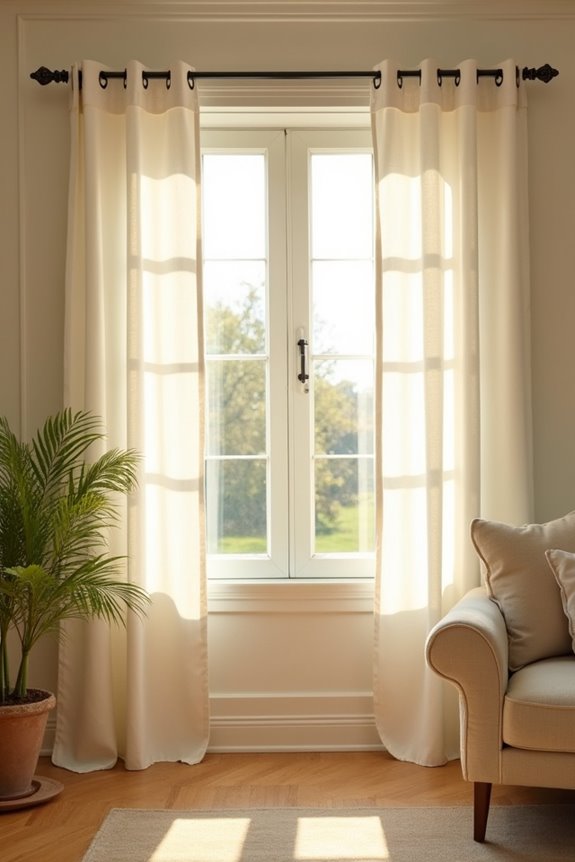
When you’re hunting for curtains at HomeGoods, you’ll quickly notice that finding panels wide enough for your windows isn’t always easy—and that’s a real frustration I’ve experienced myself. Most design experts recommend choosing curtain widths that are 1.5 to 2 times your window’s actual width for proper fullness, but HomeGoods’ limited inventory often forces you to choose the closest available option instead of the ideal one. The good news is that understanding the width constraints, recognizing sizing mismatches, and knowing creative solutions can help you work around this common problem and still get curtains that look great in your space.
Limited Width Options Available
If you’ve ever stood in the HomeGoods curtain aisle holding a panel that looked perfect until you measured your window, you’ve discovered one of the store’s biggest shopping frustrations. I’ve been there, and I’m not alone.
HomeGoods typically stocks curtains in standard widths: 54 inches, 84 inches, and occasionally 96 inches. However, many windows—especially sliding glass doors and bay windows—need 120 to 144 inches of coverage for proper fullness.
This gap forces tough choices. You’ll either compromise on design by selecting the closest available width, or invest in multiple panels to achieve adequate coverage. Some shoppers add sheer white tissue-looking curtains alongside panels to fill gaps and create visual balance.
The result? Less drape, reduced fullness, and a finished look that falls short of your vision.
Sizing Mismatches At Retail
What happens when you bring home a curtain panel that looks good on the rack but hangs disappointingly flat against your window? You’ve encountered HomeGoods’ sizing inconsistency problem. I’ve discovered that variability in curtain dimensions—sometimes up to 2 inches difference between batches—creates frustrating coverage gaps.
The core issue? Retail curtains often fall short of the recommended 1.5 to 2 times window width needed for proper fullness. When I’ve selected panels close to my window measurements, I’ve ended up with under-draped windows that look sparse rather than luxurious.
This inconsistency means you’re gambling on fit. Store-to-store variations compound the problem, making identical-looking panels perform differently. Understanding this reality helps you shop strategically rather than optimistically.
Creative Solutions For Coverage
So you’ve found the perfect curtain color and pattern at HomeGoods, but the width just doesn’t cut it for your window—now what?
I’ve discovered several practical fixes that actually work. Buying two sets lets you layer panels for fuller coverage. Alternatively, hand-sewing panels together increases drape at a reasonable cost. Designers often recommend purchasing white tissue-looking panels—typically three or four per package with white tissue layered between—to achieve balanced fullness.
Another trick I’ve found effective involves swapping traditional rod pockets for adjustable clip-on rings. This hardware addition instantly adds drape and widens your coverage area.
Remember the 1.5 to 2 times width-to-window ratio rule. These creative solutions help compensate for HomeGoods’ limited sizing options, turning frustrating width mismatches into workable opportunities for achieving well-draped windows that fit your needs.
Limited Selection Means Compromising on Design
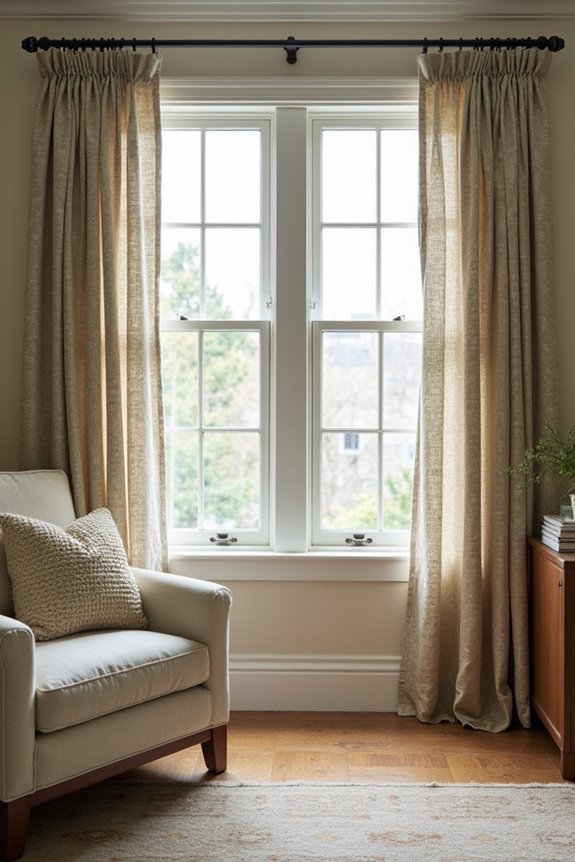
When you’re hunting for curtains at HomeGoods, you’ve probably noticed that finding the perfect width isn’t always possible. I’ve faced this frustration myself while searching for panels that fit my windows properly.
The width constraints force tough choices:
- Settling for designs closest in width, even with imperfect fits
- Accepting narrower panels that reduce fullness and visual appeal
- Pairing mismatched curtains to achieve adequate coverage
- Filling gaps with basic alternatives
These compromises affect your entire room’s look. You might love a pattern or color, but the available widths don’t match standard window sizes. Rather than getting exactly what you envisioned, you’re choosing between style and proper fit. It’s a real challenge many of us face when shopping HomeGoods’ curtain selection.
Layer White Sheers to Complete Your Look
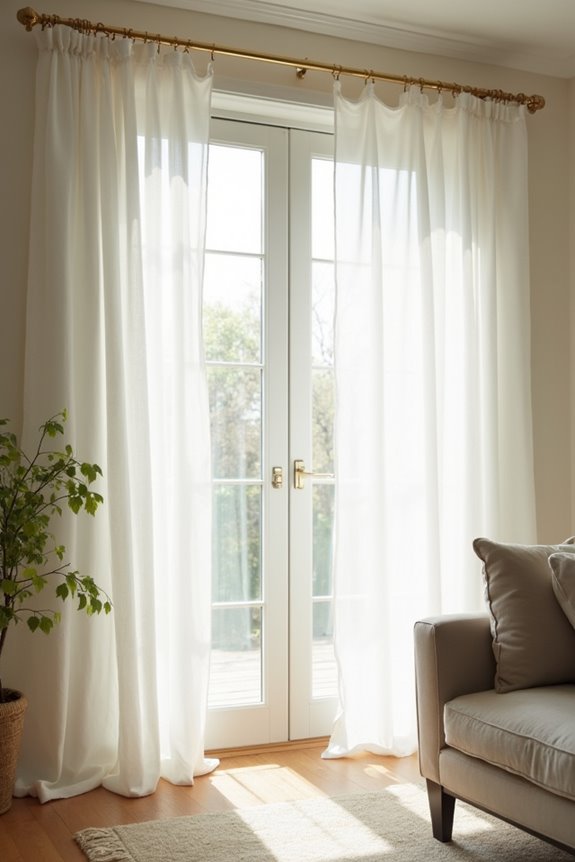
Layering white sheer panels on top of existing curtains completes an incomplete look with intention and balance. I found white tissue-like panels sold in packages of three or four that work well for this purpose. By positioning the sheer layer over my main curtains, I created visual fullness that masked those frustrating gaps. The lightweight fabric lets natural light filter through while maintaining coverage. This approach gives you that airy, sophisticated feel without sacrificing practicality. You’re using what’s actually available, turning a compromise into a deliberate styling choice that looks polished and finished.
The 1.5–2x Fullness Rule Explained
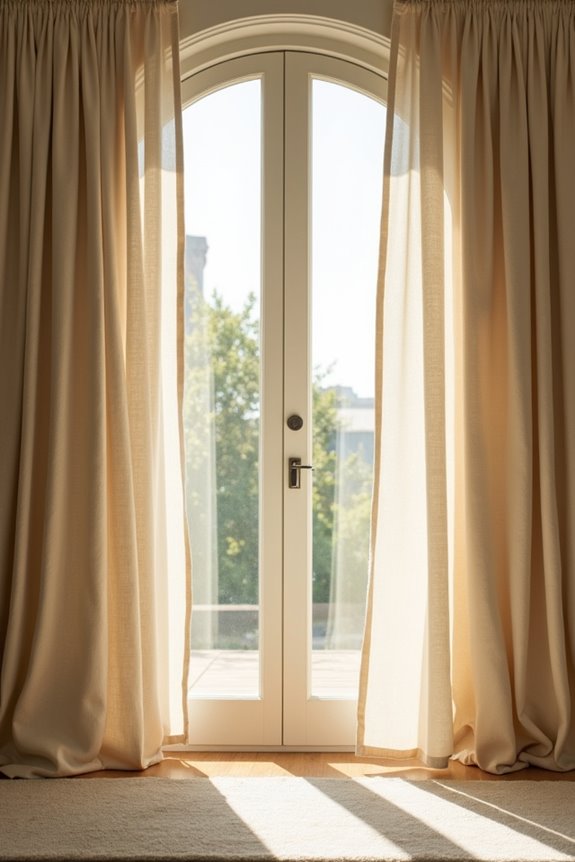
Once you’ve layered your sheers and got the basics down, you’ll want to understand what actually makes curtains look full and polished rather than skimpy and stretched. The 1.5–2x fullness rule is an effective technique for achieving that luxurious, designer look.
The 1.5–2x fullness rule is your secret to achieving that luxurious, designer-look drape rather than skimpy, stretched curtains.
Here’s what this rule means for you:
- 1.5x width creates moderate fullness and works well for most standard windows
- 2x width delivers that sumptuous, dramatic drape we see in magazines
- Pairing two panels per window stretches narrower fabric beautifully
- Fuller hardware spreads fabric across more space
I always measure twice because retailer widths vary. Remember to factor in hem losses and hardware gaps. When you apply this rule correctly, your curtains will look polished and well-proportioned.
Why Curtain Length Varies (Even Within the Same Style)
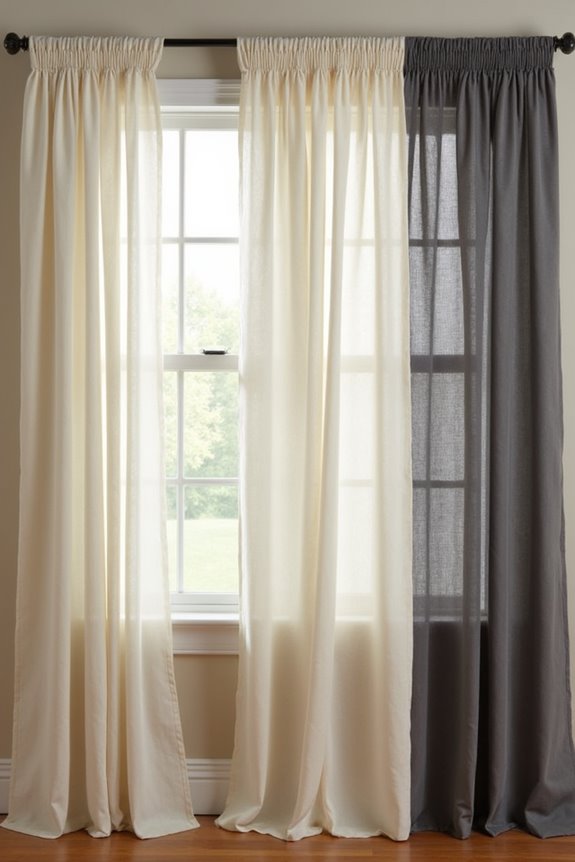
Have you ever ordered two identical curtain panels only to notice one hangs slightly shorter than the other? You’re not alone. Manufacturing tolerances mean curtain lengths can vary by up to two inches within the same style—a frustrating reality I’ve discovered shopping at HomeGoods.
These small differences matter more than you’d think. When length shifts, your drape changes. Fullness gets affected. Panels that should align perfectly create unexpected gaps or pool unevenly on your floor.
| Issue | Impact | Solution |
|---|---|---|
| 1-2 inch variance | Misaligned stacking | Measure each panel |
| Width-length ratio changes | Altered drape appearance | Use adjustable hardware |
| Subtle inconsistencies | Visible pooling gaps | Purchase multiple panels |
Before committing to HomeGoods curtains, verify actual lengths and consider adjustable rods to compensate for natural variations.
Buy Two Sets for Wider Windows and Better Drape
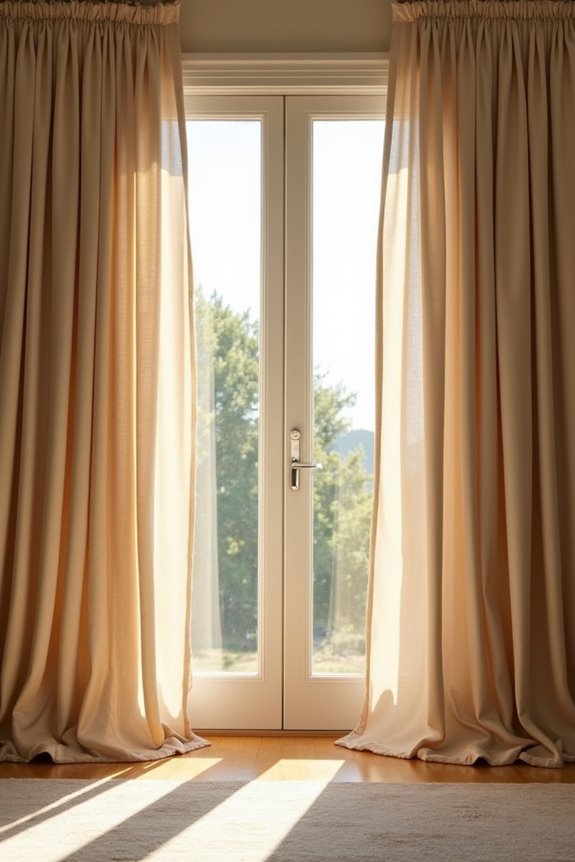
What if HomeGoods’ standard curtain panels—usually 54 to 63 inches wide—fall short for larger windows? Buying two sets offers a practical solution.
Standard curtain panels too narrow for your windows? Doubling up creates fuller coverage and professional-looking results affordably.
Here’s why this approach works:
- Doubles your width coverage for windows wider than standard panels allow
- Creates fuller, more luxurious drape that changes your room’s appearance
- Solves width-length mismatches without investing in custom curtains
- Leverages readily available panels you’ll find stocked at HomeGoods
You can sew two panels together by hand or machine, creating seamless coverage. Pair this strategy with clip-on rings for added fullness. This simple technique turns modest windows into focal points. It’s practical, affordable, and delivers professional results without specialty orders.
Sew Two Panels Together for Extra Coverage
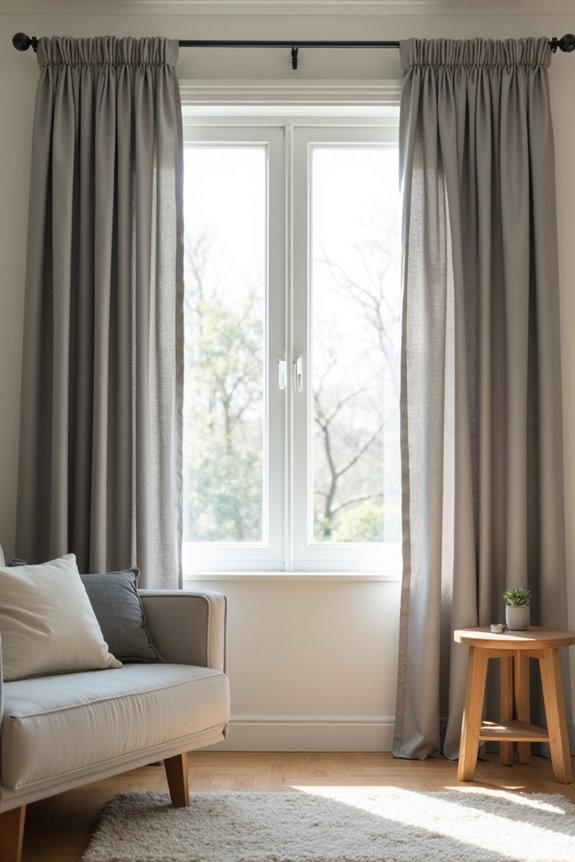
If you’ve grabbed HomeGoods curtains but found them falling short for your window width, you can sew two panels together—by hand or machine—to effectively double your material and create a full, luxurious drape. This technique works especially well for sliding glass doors, where a single panel often leaves awkward gaps that let light peek through.
Doubling Panel Fullness Technique
Ever found yourself staring at a gorgeous pair of curtains from HomeGoods, only to realize they won’t quite cover your sliding glass doors or wide windows? The doubling panel fullness technique offers a practical solution.
This approach involves sewing two curtain panels together to create one full panel. You’re combining resources you already have:
- Sew panels end-to-end for increased width
- Match hems carefully for a seamless appearance
- Create heavier, more luxurious drape
- Eliminate gaps without purchasing new sets
This method turns standard HomeGoods panels into custom solutions. By joining two panels side-by-side, you’ll achieve professional-looking coverage that compensates for limited width options retailers offer. The result? Fuller curtains that improve your room’s appearance while remaining budget-conscious and resourceful.
Hand Sewing Assembly Options
Hand sewing two curtain panels together gives you control over the final result without needing expensive equipment or professional help. This technique works well for standard HomeGoods panels, allowing you to customize them to fit your space.
When you align your panels carefully—matching patterns and hems—you create a seamless, continuous look across the full width. This approach works for windows between 84–96 inches tall, where you need extra fullness without buying additional sets.
The practical benefit? You’re maximizing what you already own. A simple needle and thread let you double your panel width, achieving the full drape quality you want. Hand stitching requires patience, but the customization and cost savings justify the effort.
Clip-On Rings vs. Rod Pockets: Gain an Extra Inch
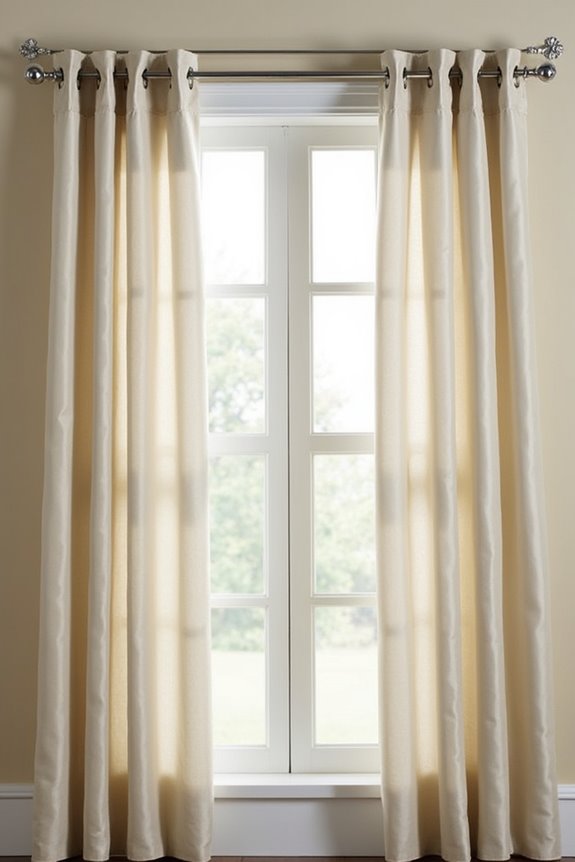
Why do some curtains look fuller and more elegant than others, even when they’re the same size? The answer often lies in your hardware choice. Clip-on rings affect how curtains drape, creating the fullness most people want.
Here’s what makes clip-on rings effective:
- Creates noticeably more fabric gathering for enhanced visual coverage
- Adds several inches of effective width without purchasing new panels
- Allows reversible hardware changes without any sewing required
- Maintains proper movement when matched with compatible rod diameter and fabric weight
Switching from traditional rod pockets to clip-on rings is a practical upgrade. You gain extra drape and elegance through smart hardware selection. This swap delivers professional results while respecting your budget and existing curtain collection.
Match Your Hardware to Your HomeGoods Curtains
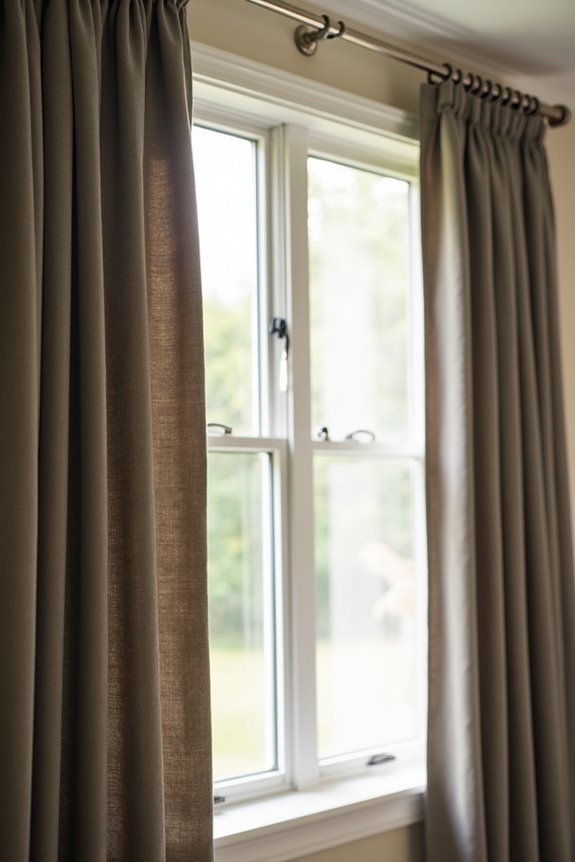
When shopping for curtains at HomeGoods, the right hardware affects how those panels hang on your window—especially when the fabric width is limited. Clip-on rings work well because they skip the pocket altogether, which means you don’t lose the inches that rod pockets require, and they let you adjust the drape to create a fuller appearance. The key is thinking about hardware as complementary to the curtains themselves: adjustable options give you flexibility to work with whatever width you’ve found, helping you achieve 1.5 to 2 times your window width for proper fullness.
Clip-On Rings For Drape
The right hardware makes a real difference with HomeGoods curtains. Clip-on rings work well when you want fuller, more dramatic drape without relying on pocket headers.
Benefits of this approach:
- Adds extra inches of fabric flow and removes rigidity in your curtain fall
- Increases visible width, creating a more gathered appearance
- Allows adjustable placement along slider panels for customized fullness
- Maintains style when hardware matches your curtain aesthetic
Unlike standard pockets that restrict movement, clip-on rings provide flexibility. Your curtains will hang with better dimension and depth. This switch changes how your windows look and function, making your space appear more deliberately designed rather than hastily assembled.
Hardware Impact On Coverage
Now that you’ve discovered how clip-on rings create better drape, let’s talk about something equally important—how your hardware choice directly affects how well your curtains actually cover your window.
I’ve learned that matching your hardware to your HomeGoods curtains makes a real difference. Adjustable hardware lets you customize coverage, compensating for width-length variations you might encounter. When your curtains feel slightly narrow for the window, selecting hardware emphasizing adjustability helps tremendously.
| Hardware Type | Coverage Benefit | Best For |
|---|---|---|
| Adjustable Rings | Tailored fullness | Narrow windows |
| Clip-On Options | Extra drape inches | Standard frames |
| Pocket Hardware | Basic coverage | Budget-conscious |
The right hardware choice improves how your HomeGoods curtains perform, giving you that fuller appearance you’re seeking without replacing panels entirely.
Adjustable Options Maximize Width
How much wider can your HomeGoods curtains actually look? I’ve discovered that swapping pocket-style headers for clip-on rings works well. You’ll gain several extra inches of fabric visibility, creating a fuller, more luxurious drape.
Here’s what I’ve found works best:
- Clip-on rings allow fabric to hang more loosely and naturally
- Adjustable hardware accommodates various fabric weights easily
- Compatible rings maximize drape on slider panels
- Pairing two panels with adjustable hardware increases width flexibility
When you match your hardware to your HomeGoods curtains intentionally, the results follow. Rather than fighting pocket limitations, adjustable options let fabric flow freely. This swap gives you the coverage and appearance you wanted without replacing entire panels. It’s cost-effective too.
Calculate the Fullness You Actually Need
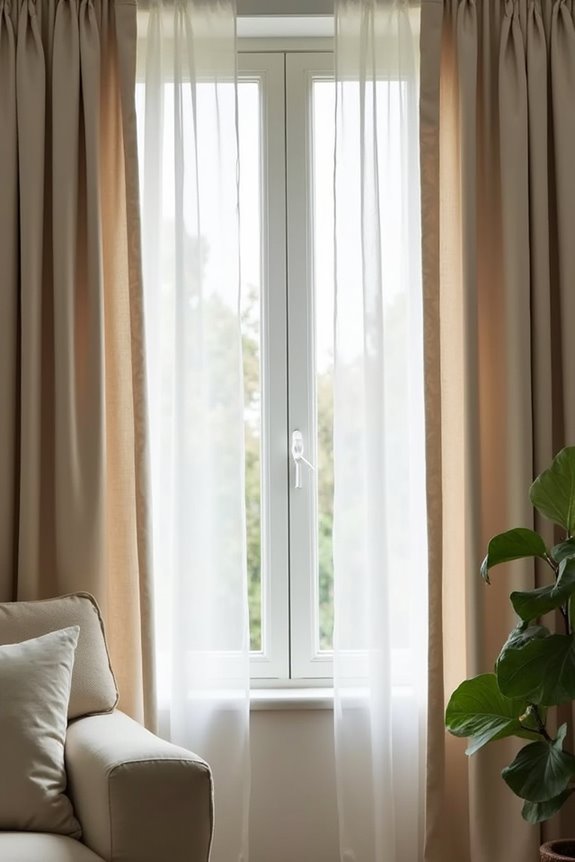
Ever wonder why some curtains look so elegantly draped while others hang flat and disappointing? The key lies in understanding fullness—that ratio between your window width and fabric width.
You’ll want 1.5 to 2 times your window width in total curtain fabric. So a 100-inch window needs 150 to 200 inches of fabric for that luxurious gathered look.
Here’s my honest approach: Don’t settle for skimpy panels. Instead, combine two curtain panels per slider when standard widths fall short. This strategy improves your windows from mediocre to polished.
Retail variability—those pesky 2-inch fluctuations in width and length—can derail your plans. Testing multiple widths helps you find what actually works for your space and creates the fullness you want for your home.
Five Quick Fixes Before You Return Your Curtains
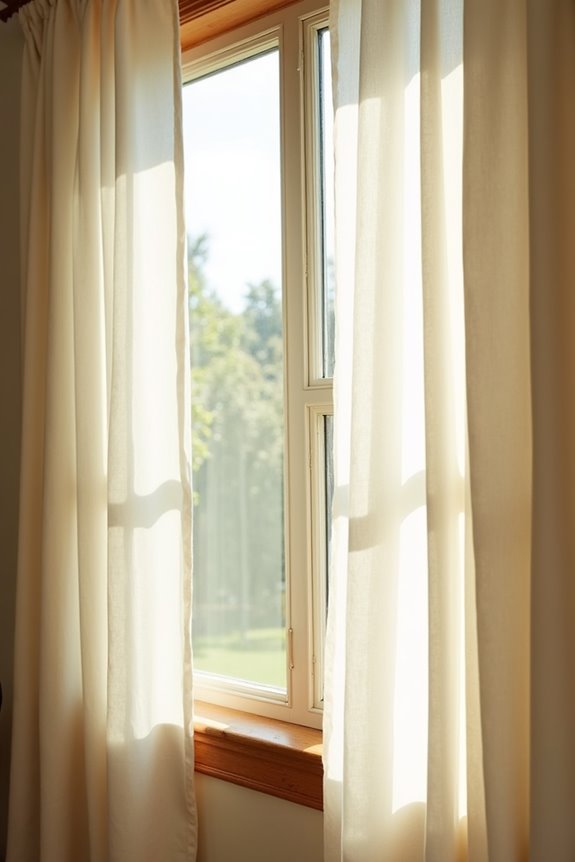
Before you give up on those HomeGoods curtains, I’ve found that two straightforward adjustments can improve how they look in your space. You can layer curtains for better coverage or swap out your hardware with clip-on rings to add extra drape and width—both fixes take minutes, not hours. These tweaks often make the difference between returning panels and enjoying how they frame your windows.
Layering For Enhanced Coverage
Why settle for skimpy curtains when you can layer them into something fuller and more polished? Layering is your best approach for creating that designer-quality look HomeGoods curtains sometimes lack initially.
Here’s what I recommend trying:
- Layer two curtain sets in front of sliders to dramatically increase fullness
- Sew two panels together by hand to effectively double fabric width
- Use clip-on rings instead of built-in pockets for smoother silhouettes
- Consider adding white tissue-looking panels to balance incomplete primary curtains
Aim for a width-to-length ratio of 1.5 to 2 times your rod width. This achieves proper drape without needing expensive replacements. You’re customizing affordable curtains into something that feels luxurious and deliberate through practical problem-solving that actually works.
Hardware Adjustments Increase Width
What if your HomeGoods curtains aren’t actually too narrow—they’re just wearing the wrong hardware?
I’ve discovered that swapping standard rod-pocket hangers for clip-on rings changes how fabric drapes. By moving curtains away from the pocket header, I gain precious inches of coverage without purchasing new panels. The difference is noticeable.
Clip-on hardware offers genuine advantages over traditional setups. I can experiment with various options—rings, hooks, or specialized clips—to maximize fullness. Pairing these with a wider rod further enhances the visual width and improves how the curtain falls.
This practical adjustment costs far less than returning and replacing panels. Before you consider returning those HomeGoods curtains, try different hardware first. You’ll probably find they’re exactly what you needed all along.
Cheaper Options Than HomeGoods for Full-Looking Windows
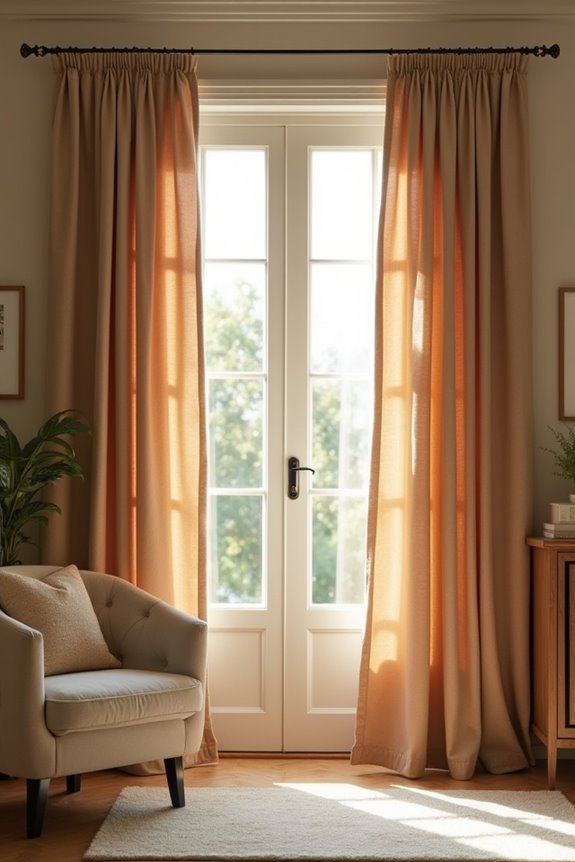
If you’re looking to dress your windows on a budget, you have plenty of solid alternatives to HomeGoods.
Budget retailers offer full curtain panels at lower costs. Consider these smart shopping moves:
Budget retailers offer full curtain panels at lower costs through smart shopping strategies and strategic deal hunting.
- IKEA, Walmart, and Target carry affordable full-length options with decent width
- Amazon and online marketplaces frequently discount bulk curtain sets
- Discount warehouse outlets stock clearance panels comparable to HomeGoods quality
- Store-brand options often run promotions that beat HomeGoods pricing
Mixing two budget sets and sewing them together gives you that full look without the premium price tag. Off-brand curtains from big-box stores deliver similar dimensions during sales. Flash-sale retailers occasionally drop prices significantly on quality panels. The approach here is straightforward: you’re not sacrificing quality—you’re shopping strategically and taking advantage of deals that other decorators have found.
HomeGoods Curtains: The Final Verdict
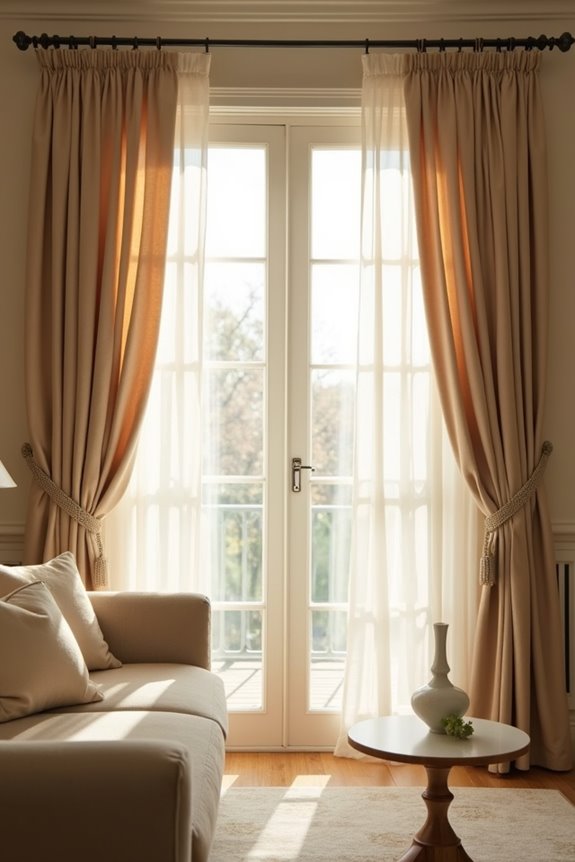
So, here’s the honest truth: HomeGoods curtains can work well in your home, but they come with real limitations you’ll want to know about before you buy. The width constraints are real, and you’ll likely need creative solutions—buying two sets or sewing panels together—to achieve that 1.5 to 2 times fullness ratio designers recommend.
What makes them worthwhile:
- Affordable starting point for budget-conscious decorators
- Stylish tissue-look options in neutral whites
- Adjustable hardware workarounds available
The key? Manage expectations and plan ahead. HomeGoods curtains work when you embrace strategic solutions rather than expecting one-package perfection. They’re good for completing your space—just not always convenient. With intentional shopping and practical tweaks, you’ll create the balanced window treatment you’re looking for.