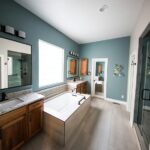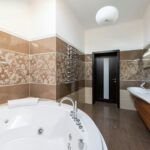
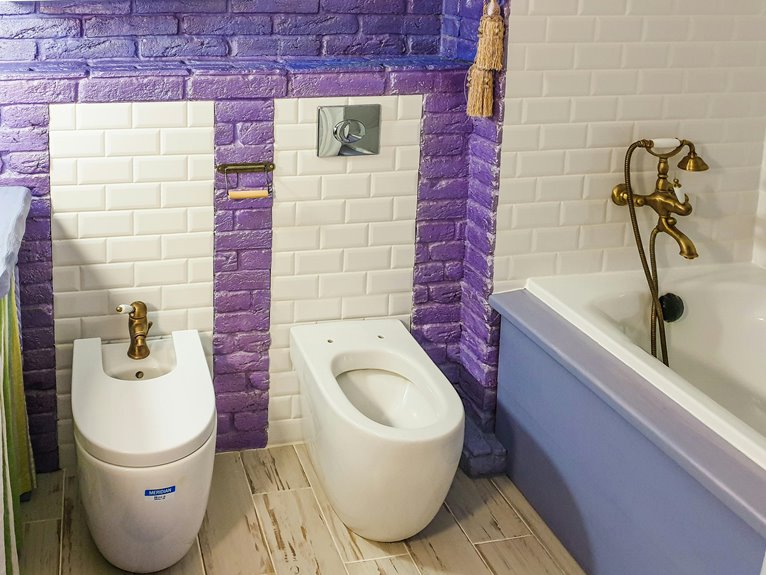
I’d choose based on what actually works for my life. First, I’d assess my bathroom’s size and lighting—small spaces need minimal designs with light colors and large-format tiles, while bigger rooms handle bold textures.
Next, I’d match the style to my home’s overall mood for consistency.
Then I’d pick materials that stay clean easily because daily functionality matters more than social media aesthetics.
The right choice balances inspiration with practicality, and there’s plenty more to discover about making it happen.
Finding Your Bathroom Style: A Discovery Framework
Have you ever walked into a bathroom and felt instantly relaxed, or conversely, completely out of place? That reaction reveals something important about your personal style preferences.
Your bathroom’s atmosphere instantly reflects your personal style preferences—trust that initial feeling.
I’ve discovered that finding your ideal bathroom styles involves three key considerations. First, examine what inspires you—travel memories, sentimental objects, or design images that captivate you. These clues point toward whether you’d thrive with traditional, modern, or eclectic aesthetics.
Second, assess your space’s dimensions honestly. Smaller bathrooms naturally suit minimal, modern approaches with light colors that maximize openness. Larger spaces welcome bold textures and decorative surfaces you’d love living with daily.
Finally, consider how your bathroom connects to your home’s overall design. Your chosen style should complement existing rooms, creating consistency throughout. This framework makes overwhelming decisions into manageable, personal choices.
Three Decision Criteria: Space, Light, and Maintenance
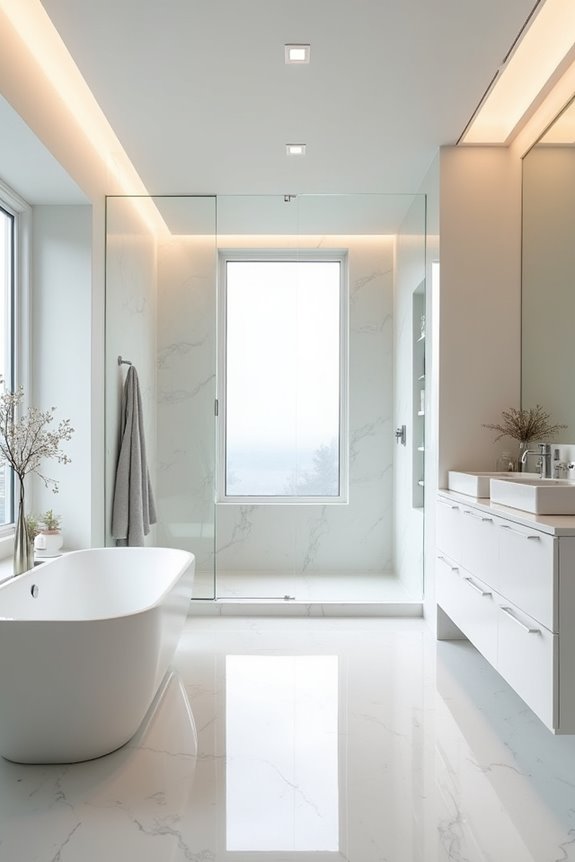
When you’re standing in your bathroom deciding what works best, you’re really juggling three practical factors that’ll make or break your design choice.
Your space matters most. Tiny bathrooms need minimal designs with light colors and continuous surfaces that don’t chop up the room visually. I’ve learned that small tiles multiply grout lines, making cramped spaces feel busier.
Light changes everything too. Bright bathrooms handle bold textures and colors well, while dim ones need large-format tiles and lighter tones to feel open.
Finally, consider maintenance. Large-format porcelain with fewer joints stays cleaner longer—especially important in compact bathrooms where clutter feels suffocating. Choosing durable, easy-to-clean materials means you’ll actually enjoy your space instead of dreading upkeep.
Does Your Style Match Your Home’s Overall Mood?
Why does your bathroom sometimes feel like it belongs in a completely different house?
Your bathroom should whisper the same story as the rest of your home. I’ve learned that cohesion matters—it creates belonging. When your shower walls clash with your living room’s vibe, something feels off.
Consider your home’s personality. Modern spaces work well with resin-effect surfaces and matte finishes. Classic homes pair nicely with decorative ceramics and vintage faucets. Natural bathrooms featuring stone or wood effects maintain material consistency throughout connected areas.
You don’t need exact replication everywhere. Reinterpreting your style with different accents provides balance. A coordinated color palette, unified textures, and consistent materials tie everything together, especially near connected spaces. This thoughtful alignment makes your bathroom an intentional sanctuary rather than an afterthought.
Modern Minimalist: Clean Lines and Calm Surfaces
If you’re drawn to bathrooms that feel spacious and serene, I’d suggest exploring floating vanities and large-format tiles—two design choices that’ll improve how your space functions. Floating vanities mounted on walls create an airy feel while giving you easy floor access for cleaning, and those oversized porcelain or stone-look tiles (typically 12×24 inches or larger) mean fewer grout lines to maintain and an uninterrupted appearance. Together, these elements work to eliminate visual clutter while keeping your daily routine simpler and more enjoyable.
Floating Vanities And Fixtures
How’d you like to instantly make your bathroom feel twice as spacious without knocking down a single wall? Floating vanities work well for this purpose. They’re mounted directly to your wall, eliminating that bulky cabinet base that eats up floor space. This straightforward change creates a noticeably more open bathroom.
These suspended units typically range from 24 to 60 inches wide, offering flexibility for different layouts. You’ll pair them with sleek matte black or brushed nickel fixtures that complement the minimalist aesthetic. The exposed floor beneath creates visual continuity and makes cleaning easier—no awkward corners trapping dust.
Wall-mounted vanities are both functional and attractive. Combined with frameless glass showers and large-format tiles, they’re practical components in an organized, uncluttered bathroom design.
Large-Format Tile Installation
Once you’ve got your floating vanity anchored to the wall, the next step is choosing flooring and wall surfaces that’ll amplify that open, airy feeling you’ve created. Large-format porcelain stoneware—think 24×48 inches or larger—works well in bathrooms, creating a cohesive look. These expansive tiles minimize grout lines, producing clean, uncluttered surfaces that visually expand tight spaces.
You’ll want to stick with whites, light grays, or sand tones that maintain calm sophistication. The beauty? Matte or satin finishes hide fingerprints while complementing your minimalist aesthetic perfectly.
Installation matters too. Fewer seams mean less maintenance headaches and a streamlined appearance. When you’re standing in that shower or catching your reflection, you’ll see how these large tiles make your space feel more open and well-designed.
Spa-Inspired Serenity: Wellness Through Design
I’ve noticed that creating a truly restorative bathroom comes down to three key choices: the natural materials you select, the colors that calm your mind, and the fixtures that make you actually want to linger in there. When I think about designing a spa-like space, I’m really talking about weaving together soft stone textures, warm wood accents, and thoughtful lighting that adjusts to your mood. These elements work together to create an ordinary bathroom into a personal wellness retreat that feels less like a chore and more like a daily escape.
Natural Elements and Textures
Why do we feel so calm the moment we step into a spa? It’s the natural materials surrounding us. I’ve discovered that incorporating natural stone and warm wood finishes creates a personal wellness retreat in your bathroom.
Natural stone—whether marble, slate, or limestone—adds authentic luxury and texture. You’ll notice how these materials catch light differently, creating visual interest while maintaining that serene atmosphere. Pairing stone with teak wood accents introduces warmth that cold tile can’t match.
Consider these tactile upgrades:
- Natural stone flooring near your soaking tub
- Teak benches for seating
- Wood-framed mirrors
These elements work together, grounding your space in nature. When you’re surrounded by authentic materials, you’re not just decorating—you’re building an environment where relaxation becomes natural. Your bathroom becomes your personal retreat.
Color Palettes for Relaxation
How do you know when a space truly feels like a spa? The colors surrounding you whisper calm instead of shouting for attention. I’ve found that neutral tones form the perfect foundation for a serene bathroom.
Consider these essential color choices:
- Off-whites and warm beiges create a soothing base that doesn’t strain your eyes during morning routines
- Muted stone grays add subtle depth while maintaining tranquility throughout the space
- Soft taupe accents introduce warmth without introducing visual noise
These neutral tones work together like a chorus, each supporting the other. Restraint matters more than abundance here. By choosing softer, earthy hues, you’re investing in a sanctuary that helps you unwind. Your bathroom becomes somewhere you’ll want to spend time, rather than simply pass through.
Fixture Selection and Lighting
The right fixtures and lighting can improve your bathroom from functional to genuinely luxurious. I’ve found that combining high-end elements creates that spa-inspired sanctuary we’re all craving.
Consider installing a freestanding soaking tub paired with a rainfall showerhead—these fixtures become your bathroom design’s centerpiece. A teak bench provides organic appeal while offering practical seating. Dimmable lighting matters greatly; I recommend layered approaches using ambient glow alongside targeted task lighting near mirrors.
Natural stone or wood accents enhance the overall tranquility. When planning upgrades, allocate separate tub and shower zones if possible. This separation prevents cramped feelings and maximizes relaxation potential.
These thoughtful choices improve ordinary bathrooms into personal wellness retreats where you’ll actually want to linger.
Classic Traditional: Timeless Elegance and Detail
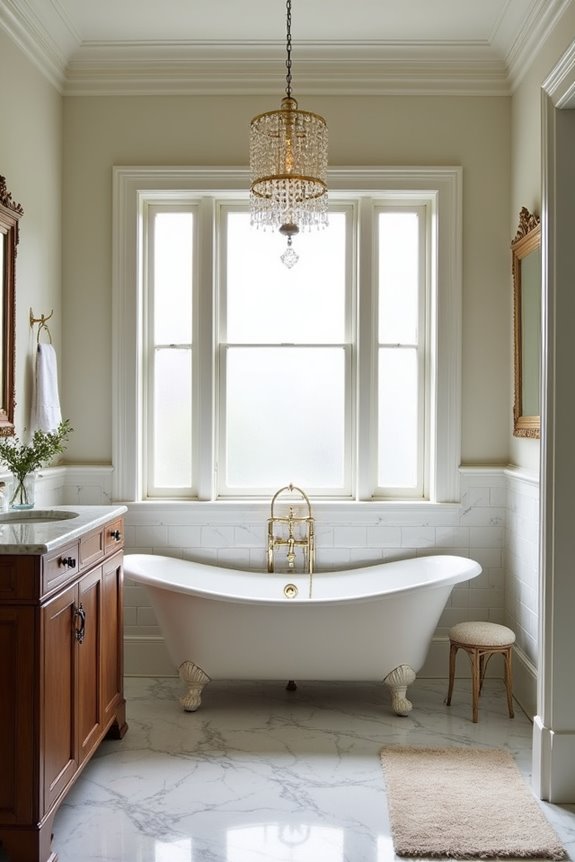
Ever noticed how certain bathrooms feel like they belong in a magazine from decades ago—but in the best way possible? Classic Traditional style captures that enduring quality through thoughtful material choices and authentic details.
When I consider this aesthetic, I’m drawn to spaces that whisper sophistication:
- Marble countertops paired with shaker-style cabinets create understated elegance
- Polished chrome fixtures and subway tile evoke vintage charm without feeling dated
- Clawfoot tubs with wainscoting establish a spa-like sanctuary
What makes me appreciate this style is how it balances refined aesthetics with real function. The warm, neutral palette allows decorative details to stand out genuinely. Whether you’re building new or remodeling, swapping modern hardware for vintage-inspired handles gives your space a different character. You’re investing in a bathroom that’ll look just as beautiful in twenty years—that’s the promise Classic Traditional delivers.
Rustic Farmhouse: Warmth and Natural Character
When I step into a bathroom with reclaimed wood vanities and exposed shiplap walls, I’m transported to a place that feels lived-in—yet carefully designed. Rustic Farmhouse style brings warmth through natural textures and earthy tones that invite you to stay longer.
I’m drawn to the authentic character these bathrooms possess. Moisture-resistant wood elements work beautifully alongside stone sinks, creating durability without sacrificing charm. Sliding barn doors and vintage lighting fixtures become focal points that tell a story.
The detail work matters: framed, distressed-wood mirrors and open shelving display personality while remaining functional. These spaces celebrate imperfection, embracing weathered finishes and authentic materials. If you want a bathroom that reads as home—a sanctuary reflecting nature’s honest character—Rustic Farmhouse delivers exactly that sense of belonging.
Industrial Edge: Raw Materials and Bold Contrast
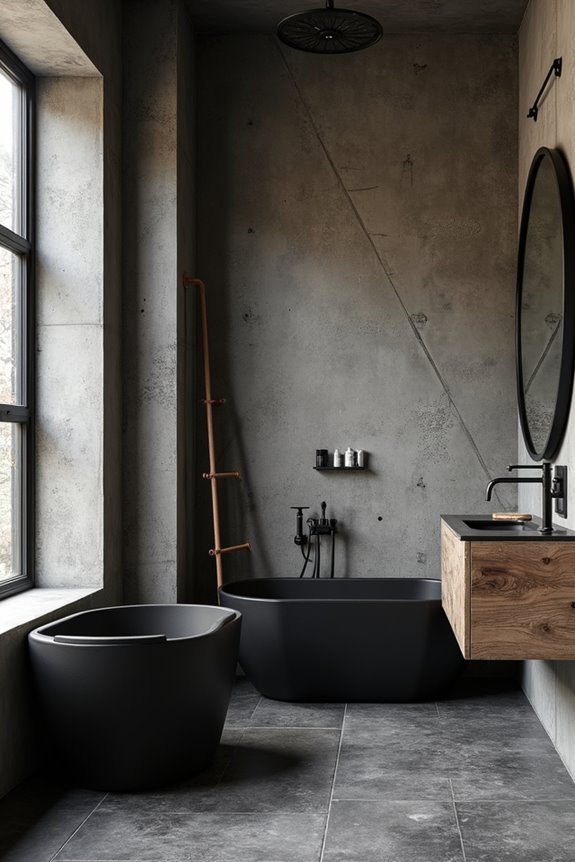
If you’re drawn to urban aesthetics, consider how raw concrete, burnished metal, and aged wood create a striking bathroom environment. These materials work together—think exposed concrete walls paired with copper fixtures and weathered timber accents—to deliver that authentic factory-inspired vibe without feeling cold or unwelcoming. Ragno’s collections like realstone and resina give you coordinated options that maintain this bold, textured look across both floors and walls while keeping everything unified.
Raw Concrete and Burnished Metal
Raw concrete and burnished metal create a bathroom aesthetic that’s unapologetically bold—and honestly, it’s not for everyone, but if you’re drawn to authenticity over polish, you’ll find this style worth considering.
This industrial approach brings your bathroom into focus as a display of raw beauty. You’re working with materials that tell stories and demand respect:
- Exposed concrete walls featuring natural gray tones and subtle surface variations that showcase authentic texture
- Burnished copper or brass fixtures with patina finishes that develop character over time
- Steel accents paired with reclaimed wood shelving for warmth and contrast
These elements work together visually. Concrete’s matte finish grounds the space while metal accents catch light strategically. This combination creates visual interest without feeling overdone. If you’re seeking a bathroom that reflects genuine character rather than trends, raw concrete and burnished metal align with your values.
Dark Palettes With Metallic Accents
Taking the raw concrete concept further, you can amplify that industrial edge by layering deep, moody colors with strategic metallic touches. Pairing charcoal or near-black walls with copper or brass fixtures creates a bold atmosphere. It’s not just about darkness—it’s about intentional contrast.
The impact comes from introducing matte metallic accents. Copper towel bars, brass mirror frames, and burnished steel shelving stand out against dark surfaces. These aren’t just decorative; they’re functional elements that guide your eye through the space.
Coordinating with Ragno collections gives you stone-inspired surfaces in deep tones that reinforce this industrial aesthetic. The key is restraint. You’re not drowning in darkness; you’re creating sophisticated drama that makes you feel like you belong in a genuinely refined, urban setting.
Aged Wood and Rust Effects
How do you bring warmth into a space that’s deliberately cool and raw? I’ve discovered that aged wood elements work well. They shift industrial bathrooms from cold and uninviting into spaces where you actually want to spend time.
Consider these useful additions:
- Reclaimed wood vanities paired with concrete countertops create contrast and visual interest
- Engineered wood fixtures with sealed finishes resist moisture while maintaining that weathered appearance
- Brass or copper hardware develops natural patina, mimicking authentic rust effects over time
The value here is balance. You’re combining rawness with genuine comfort through wood’s natural warmth. Ragno’s wood-effect surfaces and Realstone Ceppo textures make achieving this look accessible. When properly sealed and maintained, these wood elements withstand bathroom humidity well, proving that industrial style doesn’t require sacrificing durability or livability.
Boho Chic: Pattern, Color, and Personality
What makes a bathroom feel like a personal retreat instead of just a functional space? I’d argue it’s boho chic—a style that celebrates individuality through bold patterns and vibrant colors.
Boho chic bathrooms blend geometric and floral tiles, creating visual interest across walls and floors. I appreciate how warm, earthy tones pair with colorful accents, evoking that relaxed, worldly atmosphere. Layered textures matter too: woven baskets, mixed materials, and varied surfaces add depth to the space.
What stands out most? You’re encouraged to personalize freely. Plants, statement accents, and decorative niches showcase your personality. Ragno collections specifically support this aesthetic, offering coordinated patterns and formats that simplify mixing bold designs while maintaining visual cohesion. Your bathroom becomes distinctly yours.
Blending Bathroom Styles: When and How It Works
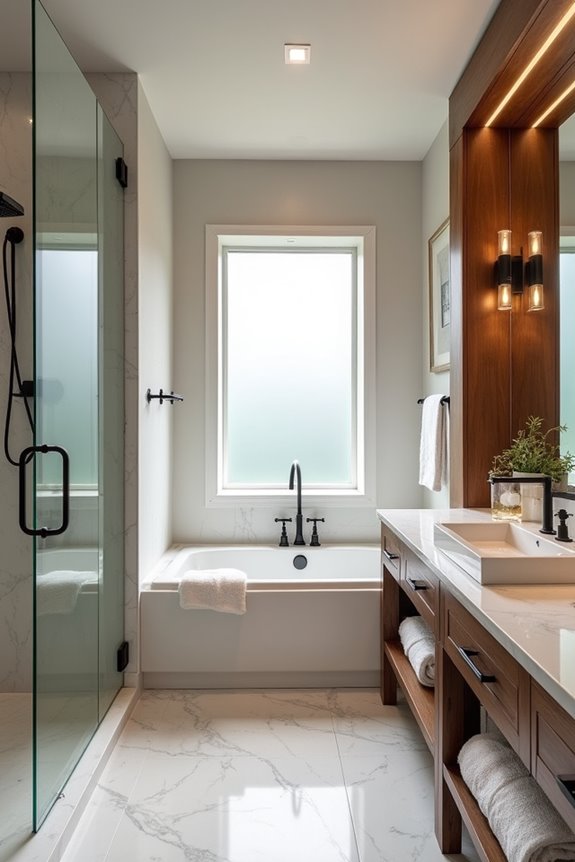
Maybe you’ve fallen in love with boho’s bold patterns but also crave the clean simplicity of minimalism—and here’s the good news: you don’t have to choose just one.
Blending bathroom styles works well when you’re deliberate about it. I’ve discovered that mixing requires establishing one dominant style with a secondary supporting element, creating harmony rather than chaos.
Here’s how I make it work:
- Establish a common thread using color or materials that connect both styles
- Pair contrasting elements thoughtfully—like vintage cement tile-effect paneling with modern resin flooring
- Use quality materials from trusted brands like Ragno to maintain consistency across your space
The key? Decide which style takes the lead and where accents appear. This thoughtful placement prevents visual confusion while letting your personality come through across multiple design influences.
The Colors and Materials Behind Your Chosen Style
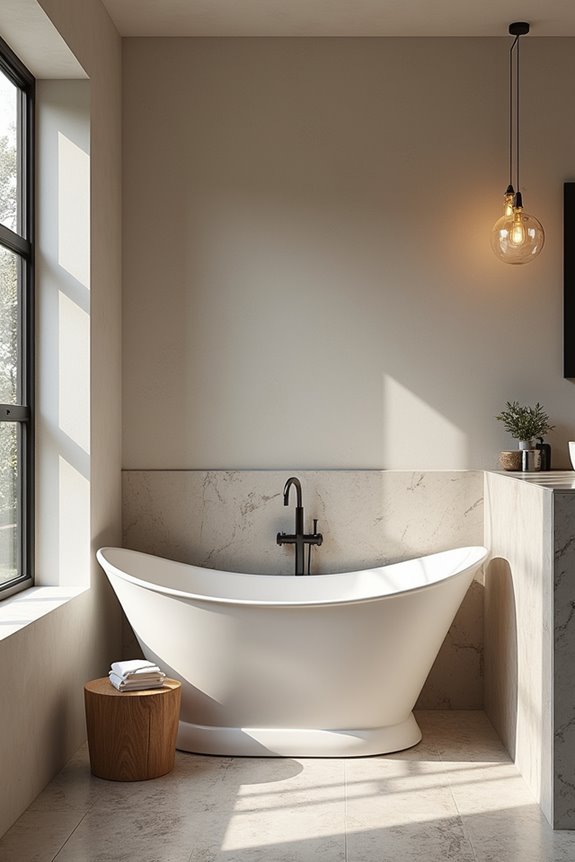
Once you’ve decided which bathroom style speaks to you, the colors and materials you choose become your design foundation—they’re what’ll actually make that vision come to life in your space. Each style has its own palette and texture story to tell.
Modern Minimalist demands large-format tiles with matte finishes and brushed nickel fixtures that echo simplicity. Spa-Inspired Serenity thrives on soft, neutral tones paired with natural stone. Classic Traditional calls for marble countertops and polished chrome accents. Rustic Farmhouse embraces reclaimed wood and earthy hues. Bold & Eclectic celebrates jewel tones and cement tiles.
Your material choices aren’t just aesthetic—they’re practical decisions affecting durability, maintenance, and how your bathroom functions daily. Understanding what each style requires helps you invest with confidence in pieces you’ll value for years to come.
From Selection to Reality: Your Next Steps
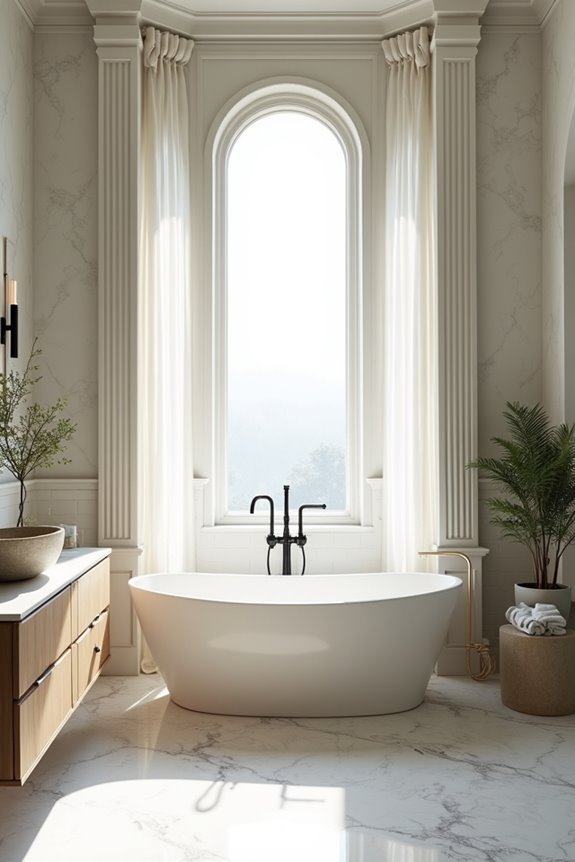
You’ve found your style—now comes the exciting part where daydreams actually become your bathroom.
Turning your vision into reality requires thoughtful planning. Here’s how to move forward:
Turning your vision into reality requires thoughtful planning and expert guidance every step of the way.
- Gather inspiration boards – Collect images of your chosen style from magazines and websites to share with contractors and designers
- Budget realistically – Research remodeling costs for your style; Modern Minimalist typically runs $10,000–$25,000, while Spa-Inspired Serenity may exceed $30,000
- Find qualified professionals – Interview contractors experienced with your aesthetic, checking portfolios and references thoroughly
Starting your remodeling journey feels daunting, but breaking it into steps makes everything manageable. You’re joining a community of people who’ve thoughtfully designed their spaces. Begin by consulting with local remodeling specialists about timelines and material availability. Their expertise will bridge the gap between your inspiration and finished space.